logo

Shenzhen UNIKE Technology Limited sales@unike.cc 86-158-1737-7218
حولنا
لماذا أخترتنا
عرض المزيد
Shenzhen UNIKE Technology Limited

جودة عالية

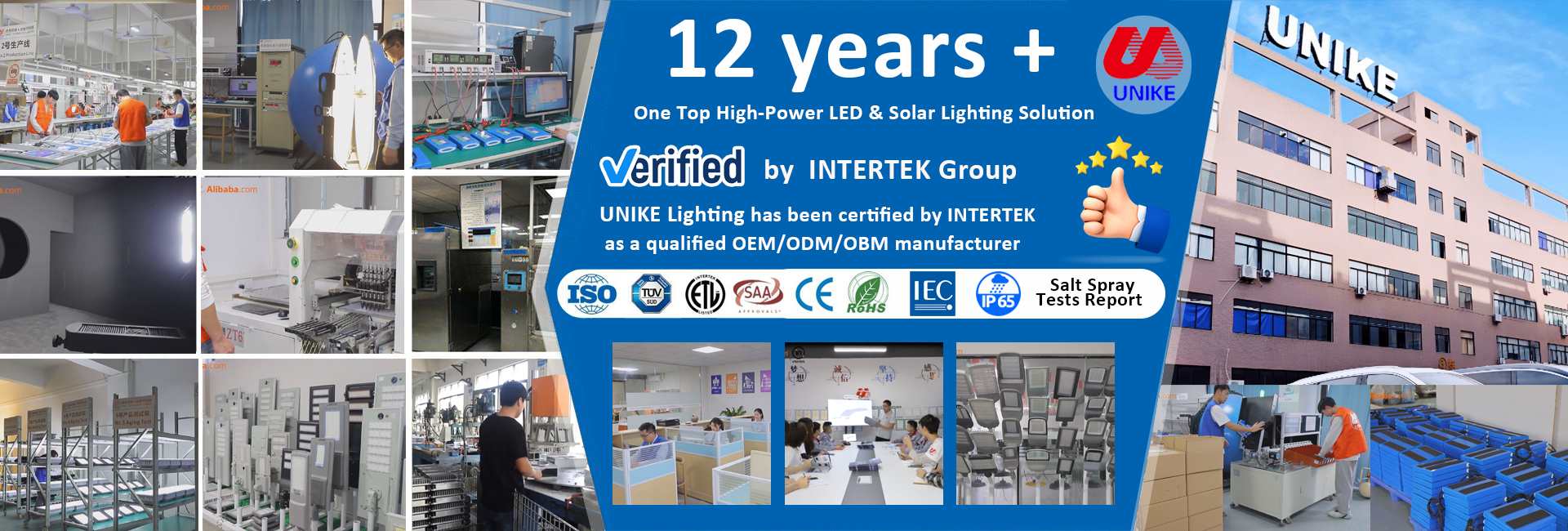
ختم الثقة ، فحص الائتمان ، RoSH وتقييم قدرة المورد. الشركة لديها نظام صارم لمراقبة الجودة ومختبر اختبار احترافي.
Shenzhen UNIKE Technology Limited

التنمية

فريق تصميم محترف داخلي و ورشة عمل الآلات المتقدمة يمكننا التعاون لتطوير المنتجات التي تحتاج إليها
Shenzhen UNIKE Technology Limited

التصنيع

آلات أوتوماتيكية متقدمة، نظام تحكم صارم في العملية. يمكننا تصنيع جميع المحطات الكهربائية أكثر من الطلب.
Shenzhen UNIKE Technology Limited

100% خدمة

التعبئة السائبة والتعبئة الصغيرة المخصصة، FOB، CIF، DDU و DDP. دعونا نساعدك في إيجاد أفضل حل لكل مخاوفك

2016

سنة تأسيسها

120+

الموظفين

+

خدمة الزبائن

10000000+

المبيعات السنوية

منتجاتنا

المنتجات المميزة

China Shenzhen UNIKE Technology Limited
اتصل بنا
تشغيل الفيديو
الاتصال في أي وقت
ارسل

Shenzhen UNIKE Technology Limited

العنوان: الطابق الخامس ، المبنى 1 ، حديقة هويمي الصناعية ، رقم 121 ، طريق جيانغمو ، منطقة جيانغهاى ، مدينة جيانغمين ، مقاطعة غوانغدونغ
الهاتف: 86-158-1737-7218
منتجاتنا
المنتجات الرئيسية
قضايانا
مشاريع صناعية حديثة
الحدث
أخبارنا الأخيرة
أخبار الشركة الأخيرة عن How to Adjust the Time of a Road Street Light Controller?
How to Adjust the Time of a Road Street Light Controller?
.gtr-container-qwe123xyz { font-family: Verdana, Helvetica, "Times New Roman", Arial, sans-serif; color: #333; line-height: 1.6; padding: 15px; box-sizing: border-box; max-width: 100%; overflow-x: hidden; } .gtr-container-qwe123xyz p { margin-top: 0; margin-bottom: 1em; font-size: 14px; text-align: left !important; word-break: normal; overflow-wrap: normal; } .gtr-container-qwe123xyz .gtr-heading-level2 { font-size: 18px; font-weight: bold; margin-top: 1.5em; margin-bottom: 1em; color: #222; } .gtr-container-qwe123xyz a { color: #007bff; text-decoration: none; } .gtr-container-qwe123xyz a:hover { text-decoration: underline; } .gtr-container-qwe123xyz p img { margin: 1.5em 0; } @media (min-width: 768px) { .gtr-container-qwe123xyz { padding: 25px; } .gtr-container-qwe123xyz p { margin-bottom: 1.2em; } .gtr-container-qwe123xyz .gtr-heading-level2 { margin-top: 2em; margin-bottom: 1.2em; } } Road street light controllers play a crucial role in managing the operation of street lighting systems, ensuring they turn on and off at the right times to enhance road safety, save energy, and reduce maintenance costs. One of the core functions of these controllers is time adjustment, which varies slightly depending on the type of controller. Below is a detailed guide to help you understand how to adjust the time for different types of road street light controllers. Manual Timer Controllers Manual timer controllers are the most basic type, often used in small-scale road lighting systems or areas where time adjustments are not frequent. The adjustment process is straightforward and requires physical operation on the controller itself. First, locate the controller unit, which is usually installed in a weatherproof box near the street light pole or in a control room. Open the box (you may need a screwdriver for safety locks) and find the time-setting dial or buttons. Most manual controllers have a 24-hour or 12-hour clock face printed on the dial. To set the current time, press and hold the "Time" or "Clock" button, then rotate the dial until the pointer aligns with the correct current time. Some models use up/down arrow buttons instead of a dial—simply press these buttons to adjust the hour and minute hands to the desired time. Next, set the on/off times. Manual controllers typically have "On" and "Off" tabs or sliders around the clock dial. Slide the "On" tab to the time you want the street lights to turn on (e.g., 18:30) and the "Off" tab to the time you want them to turn off (e.g., 06:00). Ensure the tabs are firmly in place to avoid misalignment. After setting, close the controller box and test the system by checking if the lights respond correctly at the set times. Note that manual controllers do not automatically adjust for daylight saving time or seasonal changes, so you will need to manually update the settings as needed. Automatic Astronomical Controllers Astronomical controllers are widely used in modern road lighting systems because they automatically calculate sunrise and sunset times based on the location’s latitude and longitude, eliminating the need for frequent manual adjustments. However, initial setup and occasional time calibration are still required. To adjust the time on an astronomical controller, start by accessing the settings menu. This can usually be done via physical buttons on the controller or a remote control. Some advanced models also offer a mobile app or web interface for remote configuration. Once in the menu, select the "Time Setting" or "Clock Calibration" option. If the controller has a GPS function, it may automatically sync the current time, but you can still manually adjust it if needed by entering the correct hour and minute. In addition to the current time, you may need to set the location parameters (latitude and longitude) if they haven’t been configured yet. This ensures the controller accurately predicts sunrise and sunset times. Some controllers also allow you to set a "delay on" or "delay off" time—for example, turning on the lights 30 minutes before sunset or turning them off 30 minutes after sunrise. After completing all settings, save the changes and exit the menu. The controller will then operate automatically based on the configured time and location data. Smart Networked Controllers Smart networked controllers are the most advanced type, connected to a central management system via Wi-Fi, Bluetooth, or cellular networks. They offer real-time monitoring and remote time adjustment, making them ideal for large-scale road lighting projects. Adjusting the time on a smart networked controller is typically done through a central platform or mobile app. Log in to the platform using your account, select the specific controller or group of controllers you want to adjust, and navigate to the time settings section. Here, you can set the current time manually or enable automatic time sync with a network time protocol (NTP) server, which ensures the time is always accurate. Smart controllers also allow you to create custom time schedules. For example, you can set different on/off times for weekdays and weekends, or adjust the brightness level based on the time of day. Some models even support scene settings—such as dimming the lights during low-traffic hours to save energy. After setting the desired time parameters, send the commands to the controller, and the changes will take effect immediately. Additionally, the central platform will record all time adjustment logs, making it easy to track and manage the system’s operation. Key Notes for Time Adjustment Before adjusting the time, ensure the controller is powered on and functioning properly. If the controller is not responding, check the power supply and connections first. For outdoor controllers, make sure to operate in a dry environment to avoid electrical hazards. Use insulated tools if necessary. When setting the time, consider factors such as daylight saving time, seasonal changes, and local traffic conditions. For example, in areas with heavy morning or evening traffic, you may need to adjust the on/off times accordingly. Regularly check and calibrate the time, especially for manual controllers, to ensure the street lights operate as expected. For astronomical and smart controllers, verify the location data and network connection periodically to maintain accuracy. If you are unsure about the adjustment process, refer to the controller’s user manual or contact the manufacturer’s technical support for assistance. In conclusion, adjusting the time of a road street light controller depends on the type of controller, but the core principle is to ensure the lights turn on and off at the appropriate times. Whether you are using a manual, astronomical, or smart controller, following the correct steps and considering key factors will help optimize the performance of the road lighting system, providing safe and energy-efficient illumination for drivers and pedestrians.
أخبار الشركة الأخيرة عن What Is LED Luminaire Lumen Degradation?
What Is LED Luminaire Lumen Degradation?
.gtr-container-x7y2z9 { font-family: Verdana, Helvetica, "Times New Roman", Arial, sans-serif; color: #333; line-height: 1.6; padding: 15px; max-width: 100%; box-sizing: border-box; } .gtr-container-x7y2z9 p { font-size: 14px; margin-bottom: 1em; text-align: left !important; } .gtr-container-x7y2z9 strong { font-weight: bold; color: #222; } .gtr-container-x7y2z9 a { color: #007bff; text-decoration: none; } .gtr-container-x7y2z9 a:hover { text-decoration: underline; } .gtr-container-x7y2z9 .gtr-main-subject { font-size: 18px; color: #1a1a1a; } .gtr-container-x7y2z9 ul { list-style: none !important; padding-left: 20px; margin-bottom: 1em; } .gtr-container-x7y2z9 ul li { position: relative; padding-left: 15px; margin-bottom: 0.5em; list-style: none !important; font-size: 14px; text-align: left !important; } .gtr-container-x7y2z9 ul li::before { content: "•" !important; position: absolute !important; left: 0 !important; color: #007bff; font-size: 1.2em; line-height: 1; } .gtr-container-x7y2z9 img { height: auto; margin-top: 1em; margin-bottom: 1em; } @media (min-width: 768px) { .gtr-container-x7y2z9 { max-width: 960px; margin: 0 auto; padding: 25px; } .gtr-container-x7y2z9 .gtr-main-subject { font-size: 20px; } } In the realm of lighting technology, LED (Light-Emitting Diode) luminaires have gained widespread popularity due to their energy efficiency, long lifespan, and environmental friendliness. However, like all lighting products, LEDs are not immune to a natural phenomenon known as lumen degradation—commonly referred to as "light decay" in everyday language. For both consumers and industry professionals, understanding this concept is crucial for making informed decisions about LED lighting investments, maintenance, and performance expectations. At its core, LED luminaire lumen degradation refers to the gradual and irreversible reduction in the light output (measured in lumens) of an LED fixture over time. Unlike traditional incandescent bulbs, which often burn out suddenly, LEDs fade slowly: their brightness diminishes steadily rather than failing abruptly. This process is inherent to the physics of LED operation, but its rate can be significantly influenced by various external and internal factors. It is important to note that lumen degradation is distinct from "catastrophic failure," where an LED stops working entirely—though severe degradation may eventually render a fixture impractical for its intended use. To grasp why light decay occurs, we must delve into the internal structure of an LED. An LED generates light through the movement of electrons across a semiconductor material (typically a diode made of gallium nitride or similar compounds). When electricity passes through the diode, electrons recombine with electron holes, releasing energy in the form of photons (light). Over time, this process causes cumulative damage to the semiconductor and surrounding components, leading to reduced light production. Key contributors to this damage include: Heat Stress: Excessive heat is the primary culprit behind accelerated lumen degradation. LEDs are sensitive to high temperatures—when operated at elevated temperatures (often caused by poor heat dissipation, inadequate fixture design, or ambient heat), the semiconductor material degrades faster, and the phosphor coating (used to convert blue LED light to warm white or other colors) deteriorates. This is why high-quality LED fixtures incorporate heat sinks or thermal management systems to dissipate heat effectively. Electrical Stress: Voltage fluctuations, overcurrent, or operating an LED beyond its rated electrical parameters can damage the diode’s junction, reducing its ability to emit light. Material Degradation: The phosphor coating, lens, and other components of the LED fixture can degrade over time due to exposure to UV radiation (from the LED itself or external sources), moisture, or chemical reactions, leading to reduced light transmission and output. The rate of LED lumen degradation is typically quantified using the L70 rating—a standard metric in the lighting industry. The L70 rating indicates the number of hours it takes for an LED fixture to lose 30% of its initial light output (i.e., retain 70% of its original lumens). For example, an LED with an L70 rating of 50,000 hours will still emit 70% of its initial brightness after 50,000 hours of operation. High-quality LEDs often have L70 ratings of 50,000 to 100,000 hours or more, depending on their design and operating conditions. Other ratings, such as L50 (50% lumen retention) or L90 (90% lumen retention), are also used for specific applications, but L70 is the most widely accepted benchmark for general lighting. Several factors can either accelerate or slow down lumen degradation. Proper thermal management is the most critical: fixtures with efficient heat sinks, adequate ventilation, and operation within the recommended temperature range (typically -40°C to 85°C for the LED junction) will degrade much more slowly. Additionally, using high-quality components (such as premium semiconductors and phosphor coatings), stable power supplies, and avoiding overvoltage/overcurrent can extend the time until significant light decay occurs. Environmental factors also play a role—LEDs used in humid, corrosive, or high-temperature environments (e.g., outdoor lighting in hot climates or industrial settings) may experience faster degradation than those used in controlled indoor spaces. For consumers, understanding lumen degradation helps set realistic expectations: an LED bulb advertised as "100,000-hour lifespan" will not maintain full brightness for that entire period but will gradually dim. For commercial and industrial users, this knowledge is essential for maintenance planning—replacing fixtures before their light output drops below the minimum required for safety or productivity. It also highlights the importance of investing in high-quality LED products from reputable manufacturers, as cheaper, poorly designed fixtures often have inferior thermal management and faster lumen degradation, leading to shorter effective lifespans. In conclusion, LED luminaire lumen degradation is a natural, unavoidable process, but its impact can be minimized through thoughtful design, quality components, and proper use. By recognizing the causes, understanding key metrics like L70, and taking steps to mitigate stressors (especially heat), users can maximize the performance and lifespan of their LED lighting systems. As LED technology continues to advance, manufacturers are developing new materials and designs to slow down lumen degradation further, making LEDs an even more reliable and cost-effective lighting solution for the future.
أخبار الشركة الأخيرة عن LED Linear Lights: Outdoor Illumination Effects and Their Role in Exterior Lighting Projects
LED Linear Lights: Outdoor Illumination Effects and Their Role in Exterior Lighting Projects
.gtr-container-f8h3j1k9 { font-family: Verdana, Helvetica, "Times New Roman", Arial, sans-serif; color: #333; line-height: 1.6; padding: 15px; overflow-x: hidden; } .gtr-container-f8h3j1k9 p { margin-bottom: 1em; text-align: left !important; font-size: 14px; word-break: normal; overflow-wrap: normal; } .gtr-container-f8h3j1k9 a { color: #007bff; text-decoration: none; font-weight: bold; } .gtr-container-f8h3j1k9 a:hover { text-decoration: underline; } .gtr-container-f8h3j1k9 strong { font-weight: bold; } .gtr-container-f8h3j1k9 .gtr-main-title { font-size: 18px; font-weight: bold; margin-bottom: 1.5em; color: #1a1a1a; text-align: left; } .gtr-container-f8h3j1k9 .gtr-section-title { font-size: 18px; font-weight: bold; margin-top: 2em; margin-bottom: 1em; color: #1a1a1a; text-align: left; } .gtr-container-f8h3j1k9 .gtr-subsection-title { font-size: 16px; font-weight: bold; margin-top: 1.5em; margin-bottom: 0.8em; color: #333; text-align: left; } .gtr-container-f8h3j1k9 img { display: block; margin: 1.5em auto; height: auto; } @media (min-width: 768px) { .gtr-container-f8h3j1k9 { padding: 25px 50px; max-width: 960px; margin: 0 auto; } .gtr-container-f8h3j1k9 .gtr-main-title { font-size: 20px; } .gtr-container-f8h3j1k9 .gtr-section-title { font-size: 20px; } .gtr-container-f8h3j1k9 .gtr-subsection-title { font-size: 18px; } } LED Linear High Bay Lights: Redefining Outdoor Industrial Illumination In the landscape of outdoor industrial and large-scale lighting, LED linear high bay lights have emerged as a game-changing solution, tailored to meet the rigorous demands of high-ceilinged outdoor spaces, industrial sites, and large open areas. Distinguished by their exceptional brightness, robust construction, and energy-efficient performance, these specialized fixtures deliver unique illumination effects while playing​ a crtical role in enhancing the functionality, safety, and visual appeal of outdoor industrial and commercial environments. This article delves into the distinctive outdoor illumination effects of LED linear high bay lights and their indispensable role in modern exterior lighting projects. Outstanding Outdoor Illumination Effects of LED Linear High Bay Lights LED linear high bay lights are engineered to address the challenges of illuminating large, open outdoor spaces, leveraging advanced optical design and high-performance LED chips to produce targeted, powerful illumination effects.​ High-Intensity Uniform Coverage The most defining effect of LED linear high bay lights is their high-lumen uniform illumination, capable of covering expansive areas with consistent brightness. Designed with high luminous efficacy (typically 100-150 lumens per watt) and evenly spaced LED arrays, these fixtures eliminate dark zones and light inconsistencies— a critical advantage for outdoor spaces like shipping yards, mine sites, industrial courtyards, and large parking lots. For example, in a container terminal spanning tens of thousands of square meters, LED linear high bay lights mounted at 8-15 meters height can cast a seamless, shadow-free glow across the entire area, ensuring workers can identify cargo labels, operate machinery, and navigate safely even in low-light conditions. Unlike traditional high-pressure sodium (HPS) lamps that produce yellowish, scattered light, LED linear high bays emit crisp, white light (3000K-6500K) that enhances color rendering (CRI ≥ 80), making details more distinguishable and reducing eye strain. Directional Beam Control for Targeted Illumination LED linear high bay lights excel at precision directional lighting, thanks to their adjustable beam angles (20°-120°) and optimized reflectors. This effect allows for targeted light distribution, making them ideal for highlighting specific outdoor functional zones without wasting energy on unnecessary areas. For instance, in an outdoor manufacturing plant, these lights can be angled to focus on production platforms, assembly lines, or material storage areas, ensuring critical workspaces receive maximum brightness while minimizing light pollution to surrounding neighborhoods. In outdoor sports facilities like soccer fields or tennis courts, LED linear high bays with narrow beam angles (20°-45°) can deliver concentrated light to playing surfaces, meeting professional lighting standards (e.g., FIFA’s 200-500 lux requirement) and enabling night games with clear visibility.​ Anti-Glare and Weather-Resistant Performance A key practical effect of LED linear high bay lights is their anti-glare design, which reduces discomfort for workers, drivers, and nearby residents. Equipped with diffusers, micro-prismatic lenses, or honeycomb grids, these fixtures minimize direct glare and sky glow, complying with dark-sky regulations while maintaining illumination efficiency. Additionally, their rugged construction—featuring aluminum alloy housings, tempered glass covers, and IP66+ waterproof/dustproof ratings—ensures reliable performance in harsh outdoor conditions. Whether exposed to heavy rain, strong winds, extreme temperatures (-40°C to 60°C), or corrosive industrial environments (e.g., coastal ports with salt spray), LED linear high bays retain their illumination quality, avoiding flickering or dimming that plagues traditional lighting. The Critical Role of LED Linear High Bay Lights in Exterior Lighting Projects Enhancing Industrial Safety and Productivity Safety is paramount in outdoor industrial settings, and LED linear high bay lights are instrumental in mitigating risks and boosting productivity. Their high brightness (5,000-20,000 lumens per fixture) and long-range illumination (up to 50 meters) ensure clear visibility for high-risk activities such as heavy machinery operation, cargo handling, and maintenance work. By eliminating shadows and reducing eye fatigue, these lights lower the incidence of accidents—such as collisions or falls—and improve worker focus and efficiency. For example, in a coal mine’s outdoor loading area, LED linear high bays provide consistent illumination that allows workers to detect potential hazards (e.g., loose debris, equipment malfunctions) and operate conveyor belts safely during night shifts. Moreover, their long lifespan (50,000-100,000 hours) and low maintenance requirements reduce downtime for bulb replacements, ensuring continuous operation of critical outdoor facilities.​ Supporting Energy Efficiency and Cost Savings LED linear high bay lights are leaders in sustainability and cost reduction for large-scale outdoor lighting. Compared to traditional HPS or metal halide lamps, they consume 50-70% less energy— a significant saving for facilities with hundreds of fixtures. For instance, a warehouse with 50 outdoor LED linear high bays (150W each) consumes 7,500W per hour, whereas 50 equivalent 400W HPS lamps consume 20,000W per hour, translating to annual electricity savings of tens of thousands of dollars. Additionally, these lights are compatible with smart control systems (e.g., motion sensors, dimmers, IoT connectivity), allowing for further energy optimization—e.g., dimming lights during low-traffic hours or activating them only when motion is detected. Their eco-friendly design (no mercury or lead) and recyclable materials align with corporate sustainability goals and global environmental regulations, reducing carbon footprints for industrial and commercial entities. Elevating Large-Scale Exterior Aesthetics and Functionality While primarily functional, LED linear high bay lights also contribute to aesthetic enhancement and space definition in large outdoor areas. Their sleek, linear design integrates seamlessly with industrial architecture—such as factory exteriors, warehouse facades, or transportation hubs—creating a cohesive, modern look. In commercial settings like shopping mall parking garages or outdoor event venues, these lights can be synchronized to create subtle dynamic effects (e.g., gradual dimming, zone-specific brightness) that enhance the user experience without compromising functionality. For example, an outdoor concert venue can use LED linear high bays to illuminate seating areas at a comfortable 300 lux while dimming perimeter lights to reduce distraction, creating a balanced ambiance for performers and audiences. In urban infrastructure projects like bridges or highway interchanges, these lights provide both safety lighting for vehicles and a visually striking outline of the structure, enhancing nighttime urban aesthetics.​ Ensuring Reliability in Extreme Outdoor Environments The rugged design of LED linear high bay lights makes them indispensable for harsh outdoor applications where durability is non-negotiable. In coastal regions, their corrosion-resistant housings protect against saltwater damage, ensuring long-term performance in ports or offshore platforms. In cold climates, their instant-on capability (no warm-up time) and resistance to freezing temperatures make them superior to traditional lamps that may fail in subzero conditions. For emergency scenarios—such as power outages in industrial sites—many LED linear high bays are compatible with backup generators or solar power systems, providing uninterrupted illumination critical for emergency response and evacuation. Conclusion LED linear high bay lights have redefined large-scale outdoor lighting with their high-intensity uniform coverage, precision beam control, and rugged performance, while fulfilling pivotal roles in safety, sustainability, and aesthetics. As industries and cities increasingly demand efficient, reliable, and versatile lighting solutions for expansive outdoor spaces, these fixtures have become essential for industrial sites, commercial complexes, public facilities, and urban infrastructure. Their ability to balance power, efficiency, and durability not only addresses the practical challenges of outdoor illumination but also supports global efforts toward sustainability and smart city development. Whether illuminating a bustling port, a sprawling warehouse yard, or a public sports facility, LED linear high bay lights prove that large-scale outdoor lighting can be both high-performing and responsible, driving productivity, safety, and visual appeal for years to come.
أخبار الشركة الأخيرة عن The Impact of Weather on Solar Street Lights
The Impact of Weather on Solar Street Lights
.gtr-container-q7w2e8 { font-family: Verdana, Helvetica, "Times New Roman", Arial, sans-serif; color: #333; line-height: 1.6; padding: 15px; box-sizing: border-box; overflow-x: auto; } .gtr-container-q7w2e8 p { font-size: 14px; margin-bottom: 1em; text-align: left !important; word-break: normal; overflow-wrap: normal; } .gtr-container-q7w2e8 a { color: #007bff; text-decoration: none; font-weight: bold; } .gtr-container-q7w2e8 a:hover { text-decoration: underline; } .gtr-container-q7w2e8 .gtr-title-1 { font-size: 18px; font-weight: bold; margin-top: 2em; margin-bottom: 1em; color: #222; text-align: left; } .gtr-container-q7w2e8 .gtr-title-2 { font-size: 14px; font-weight: bold; margin-top: 1.5em; margin-bottom: 0.8em; color: #333; text-align: left; } .gtr-container-q7w2e8 p strong { font-weight: bold; } .gtr-container-q7w2e8 img { vertical-align: middle; height: auto; } .gtr-container-q7w2e8 ul { list-style: none !important; padding-left: 20px; margin-bottom: 1em; } .gtr-container-q7w2e8 ul li { position: relative; padding-left: 15px; margin-bottom: 0.5em; font-size: 14px; text-align: left !important; list-style: none !important; } .gtr-container-q7w2e8 ul li::before { content: "•" !important; position: absolute !important; left: 0 !important; color: #007bff; font-size: 1.2em; line-height: 1; } @media (min-width: 768px) { .gtr-container-q7w2e8 { max-width: 960px; margin: 0 auto; padding: 25px; } .gtr-container-q7w2e8 .gtr-title-1 { font-size: 18px; } .gtr-container-q7w2e8 .gtr-title-2 { font-size: 16px; } } Solar street lights have emerged as a sustainable and cost-effective solution for urban and rural lighting, relying on photovoltaic (PV) panels to convert sunlight into electricity. However, their performance and reliability are heavily influenced by weather conditions, which can either optimize or hinder their functionality. Understanding these weather-related impacts is crucial for designing efficient solar lighting systems, planning maintenance schedules, and ensuring consistent illumination. This article explores how different weather factors—including sunlight intensity, temperature, precipitation, and extreme weather events—affect solar street lights, along with practical strategies to mitigate potential risks. Sunlight Intensity: The Core Driver of Performance Sunlight is the primary energy source for solar street lights, so its intensity and duration directly determine how much electricity PV panels can generate. Optimal Conditions In regions with abundant, unobstructed sunlight (e.g., sunny days in arid or temperate zones), PV panels operate at near-peak efficiency. For instance, a standard 100W solar panel can produce 400-500Wh of electricity per day under 4-5 hours of direct sunlight, fully charging the battery to power the LED light for 8-12 hours at night. Such conditions ensure consistent brightness and prevent battery depletion. Adverse Impacts of Low Sunlight Cloudy or Overcast Days: Diffused sunlight reduces PV panel output by 30%-70%. On heavily overcast days, a 100W panel may only generate 100-200Wh, leading to insufficient battery charging. This can cause the LED light to dim prematurely or switch off mid-night, compromising safety in areas like roads or parking lots. Short Daylight Hours: In winter or high-latitude regions (e.g., northern Europe, Canada), shorter daylight periods limit charging time. For example, during the winter solstice, some areas have only 6-7 hours of daylight—far less than the 8-10 hours needed for full battery charging. Over time, this can lead to "deep discharge" of batteries, reducing their lifespan by 20%-30%. Shading: Even partial shading (from trees, buildings, or dust accumulation) creates "hotspots" on PV panels, reducing overall efficiency and potentially damaging cells. A study by the International Energy Agency (IEA) found that 10% shading on a panel can decrease output by up to 50%. Temperature: A Hidden Factor Affecting Efficiency While solar panels rely on sunlight, extreme temperatures—both high and low—negatively impact their performance and the lifespan of batteries. High Temperatures Most PV panels have an optimal operating temperature range of 25°C-35°C (77°F-95°F). When temperatures exceed 40°C (104°F), panel efficiency decreases by 0.3%-0.5% per degree Celsius. For example, a panel with 20% efficiency at 25°C may drop to 17%-18% efficiency at 45°C. This is because high temperatures increase electron resistance in the panel’s semiconductor material, reducing energy conversion. Additionally, high heat accelerates battery degradation. Lithium-ion batteries (commonly used in solar street lights) lose capacity faster when exposed to prolonged temperatures above 35°C. A 2023 study by the National Renewable Energy Laboratory (NREL) showed that lithium-ion batteries in hot climates (e.g., desert regions) have a lifespan of 3-4 years, compared to 5-7 years in moderate climates. Low Temperatures Cold temperatures (below 0°C/32°F) do not directly damage PV panels, but they can impair battery performance. Lithium-ion batteries experience reduced charging and discharging capacity in the cold—for instance, at -10°C (14°F), a battery may only hold 70%-80% of its rated capacity. This means even if the PV panel generates enough electricity during the day, the battery may not store enough to power the light all night. Freezing temperatures also pose risks for battery enclosures. If moisture seeps into the enclosure and freezes, it can crack the battery casing or damage electrical connections, leading to system failure. Precipitation: Risks Beyond Reduced Sunlight Rain, snow, and fog not only reduce sunlight but also introduce physical and electrical risks to solar street lights. Rain Light to moderate rain can help clean dust and debris from PV panels, temporarily improving efficiency. However, heavy rain or thunderstorms pose two main threats: Water Infiltration: Poorly sealed junction boxes, battery enclosures, or LED light fixtures can allow rainwater to enter, causing short circuits. This is a leading cause of system failure—according to a 2024 industry report, 35% of solar street light malfunctions are due to water damage. Lightning Strikes: Solar systems are vulnerable to lightning, as PV panels act as large conductive surfaces. A direct or nearby lightning strike can damage the inverter, charge controller, or battery, requiring costly replacements. Snow and Ice Snow accumulation on PV panels blocks sunlight entirely, halting energy generation. Even a thin layer of snow (1-2 cm) can reduce output by 80%-90%. If snow melts and refreezes, it forms ice, which is heavier and harder to remove—ice can crack PV panels or bend mounting structures under its weight. In snowy regions, the angle of the PV panel is critical. Panels installed at a steeper angle (30°-45°) allow snow to slide off more easily, minimizing downtime. However, in areas with heavy snowfall, manual or automated snow removal (e.g., heated panels) may be necessary. Fog and Mist Fog scatters sunlight, reducing its intensity similarly to cloudy days. Additionally, mist can leave a layer of moisture on PV panels, which, when combined with dust, forms a film that further lowers efficiency. In coastal areas, salt-laden fog can corrode metal components (e.g., mounting brackets, wiring), shortening the system’s lifespan. Extreme Weather Events: Catastrophic Risks Extreme weather—such as hurricanes, typhoons, sandstorms, and hailstorms—can cause severe, long-term damage to solar street lights. Strong Winds: Hurricanes or typhoons with wind speeds exceeding 100 km/h (62 mph) can blow down light poles, damage PV panels, or tear wiring. In 2022, Hurricane Ian destroyed over 5,000 solar street lights in Florida, USA, due to strong winds and flying debris. Hailstorms: Hailstones (especially those larger than 2 cm/0.8 inches) can crack or shatter PV panels. Standard PV panels have a tempered glass layer, but it is not immune to large hailstones. A 2021 hailstorm in Colorado, USA, damaged 12% of solar street lights in the affected area. Sandstorms: In arid regions (e.g., the Middle East, Central Asia), sandstorms deposit a thick layer of sand on PV panels, blocking sunlight and scratching the glass surface. This reduces efficiency by 40%-60% and can permanently damage panels if not cleaned promptly. Mitigation Strategies: Enhancing Weather Resilience To minimize the impact of weather on solar street lights, the following strategies are recommended: Optimize PV Panel Design and Placement: Use high-efficiency panels (e.g., monocrystalline silicon) that perform better in low light and high temperatures. Install panels at an optimal tilt angle (20°-45°, depending on latitude) to maximize sunlight absorption and facilitate snow/rain runoff. Avoid shading by trimming trees or adjusting the panel’s location relative to buildings. Improve Battery Performance and Protection: Use cold-resistant or heat-resistant batteries (e.g., lithium iron phosphate batteries) for extreme climates. Install battery enclosures with insulation (for cold climates) or ventilation (for hot climates) to maintain optimal temperatures. Add a battery management system (BMS) to prevent overcharging, deep discharge, and temperature-related damage. Enhance Water and Weather Resistance: Use IP65 or IP67-rated fixtures (junction boxes, LED lights) to prevent water infiltration. Install lightning arresters and surge protectors to shield the system from lightning strikes. Regular Maintenance: Clean PV panels regularly (monthly in dusty areas, quarterly in moderate climates) to remove dirt, snow, or ice. Inspect wiring, enclosures, and mounting structures after extreme weather events to identify and repair damage. Backup Power Solutions: For critical areas (e.g., hospitals, highways), integrate a backup power source (e.g., a small wind turbine or grid connection) to ensure continuous illumination during prolonged low-light periods. Conclusion Weather plays a pivotal role in the performance, reliability, and lifespan of solar street lights. From reduced sunlight on cloudy days to catastrophic damage from hurricanes, each weather factor presents unique challenges. However, by understanding these impacts and implementing targeted mitigation strategies—such as using weather-resistant components, optimizing system design, and conducting regular maintenance—solar street light systems can be made more resilient. As the world shifts toward renewable energy, addressing weather-related risks will be key to unlocking the full potential of solar lighting in diverse climates, ensuring sustainable and reliable illumination for communities worldwide.
أخبار الشركة الأخيرة عن مزايا مصابيح الشوارع الشمسية LED: مستقبل الإضاءة الخارجية المستدامة
مزايا مصابيح الشوارع الشمسية LED: مستقبل الإضاءة الخارجية المستدامة
.gtr-container-x7y3z1 { font-family: Verdana, Helvetica, "Times New Roman", Arial, sans-serif; color: #333; line-height: 1.6; padding: 15px; box-sizing: border-box; overflow-x: auto; max-width: 100%; } .gtr-container-x7y3z1 p { font-size: 14px; margin-bottom: 1em; text-align: left !important; word-break: normal; overflow-wrap: normal; } .gtr-container-x7y3z1 a { color: #007bff; text-decoration: none; } .gtr-container-x7y3z1 a:hover { text-decoration: underline; } .gtr-container-x7y3z1 strong { font-weight: bold; } .gtr-container-x7y3z1 .gtr-section-title { font-size: 18px; font-weight: bold; margin-top: 1.5em; margin-bottom: 0.8em; color: #0056b3; text-align: left !important; } .gtr-container-x7y3z1 ul { list-style: none !important; padding-left: 20px; margin-bottom: 1em; } .gtr-container-x7y3z1 ul li { position: relative; padding-left: 1.5em; margin-bottom: 0.5em; font-size: 14px; text-align: left !important; list-style: none !important; } .gtr-container-x7y3z1 ul li::before { content: "•" !important; color: #007bff; position: absolute !important; left: 0 !important; font-size: 1.2em; line-height: 1; } .gtr-container-x7y3z1 ol { list-style: none !important; padding-left: 25px; margin-bottom: 1em; } .gtr-container-x7y3z1 ol li { position: relative; padding-left: 2em; margin-bottom: 0.5em; font-size: 14px; text-align: left !important; list-style: none !important; } .gtr-container-x7y3z1 ol li::before { content: counter(list-item) "." !important; color: #007bff; position: absolute !important; left: 0 !important; font-weight: bold; text-align: right; width: 1.5em; } .gtr-container-x7y3z1 img { display: inline-block; vertical-align: middle; margin-top: 1em; margin-bottom: 1em; } @media (min-width: 768px) { .gtr-container-x7y3z1 { padding: 25px 40px; } } في عصر تتصدر فيه الاستدامة والكفاءة المشهد،أضواء الشوارع الشمسية LEDبرزت كحل يغير قواعد اللعبة للإضاءة الخارجية. من خلال الجمع بين فوائد توفير الطاقة لتكنولوجيا LED والطاقة المتجددة للطاقة الشمسية، تتفوق أنظمة الإضاءة هذه على أضواء الشوارع التقليدية التي تعمل بالشبكة أو أضواء الشوارع الشمسية التقليدية في أبعاد متعددة. من الصداقة البيئية إلى توفير التكاليف على المدى الطويل، فإن مزاياها تجعلها الخيار المفضل للمدن والمجتمعات والمناطق الصناعية والمناطق النائية في جميع أنحاء العالم. 1. كفاءة الطاقة الاستثنائية والطاقة المتجددة تعمل أضواء الشوارع الشمسية LED على نظام طاقة ذاتي الاستدامة في حلقة مغلقة يعطي الأولوية للكفاءة: استخدام الطاقة الشمسية: مزودة بألواح كهروضوئية (PV) عالية الأداء، فإنها تحول ضوء الشمس إلى كهرباء نظيفة، مما يلغي الاعتماد على الوقود الأحفوري أو شبكة الطاقة التقليدية. هذا يقلل من انبعاثات الكربون إلى ما يقرب من الصفر، بما يتماشى مع أهداف الحياد الكربوني العالمية. كفاءة LED المتأصلة: ضوء LEDتفتخر المصادر بكفاءة مضيئة تبلغ 100-200 لومن/واط، متجاوزة بكثير الإضاءة التقليدية (على سبيل المثال، 50-100 لومن/واط لمصابيح الصوديوم). إنها تحول أكثر من 90٪ من الطاقة الكهربائية إلى ضوء، مما يقلل من هدر الحرارة ويقلل من استهلاك الطاقة بنسبة 50-70٪ مقارنة بـ أضواء الشوارع التقليدية. إدارة الطاقة الذكية: تعمل وحدات التحكم في الشحن الشمسي المتكاملة على تحسين تخزين الطاقة واستخدامها، مما يضمن تخزين الطاقة الزائدة في البطاريات للاستخدام الليلي. تعمل الميزات الذكية مثل مستشعرات الإضاءة وأجهزة استشعار الحركة على تقليل هدر الطاقة بشكل أكبر عن طريق التعتيم أو تنشيط الأضواء فقط عند الحاجة. 2. عمر افتراضي طويل وتكاليف صيانة منخفضة المتانة والحد الأدنى من الصيانة هما ميزتان أساسيتان تدفعان القيمة على المدى الطويل: فترات حياة المكونات الممتدة: تتمتع رقائق LED عالية الجودة بعمر افتراضي يتراوح بين 50000 و 100000 ساعة (5-10 سنوات من الاستخدام المستمر)، بينما تدوم الألواح الشمسية عادةً من 25 إلى 30 عامًا. توفر بطاريات الليثيوم أيون أو الرصاص الحمضي 5-8 سنوات من الخدمة الموثوقة، متجاوزة عمر المصابيح الذي يتراوح بين 1 و 3 سنوات في أضواء الشوارع التقليدية. تقليل احتياجات الصيانة: مصابيح LED عبارة عن أجهزة صلبة الحالة بدون خيوط أو مكونات زجاجية، مما يجعلها مقاومة للصدمات والاهتزاز والكسر. يحمي التصميم المحكم المقاوم للعوامل الجوية (تصنيف IP65+) من المطر والغبار ودرجات الحرارة القصوى، مما يقلل من الحاجة إلى الإصلاحات أو الاستبدالات المتكررة. انخفاض تكاليف التشغيل: مع عدم وجود فواتير كهرباء ومتطلبات صيانة قليلة، تقلل أضواء الشوارع الشمسية LED من تكاليف التشغيل على المدى الطويل بنسبة 60-80٪ مقارنة بالبدائل المتصلة بالشبكة. هذا مؤثر بشكل خاص للمشاريع واسعة النطاق أو المناطق النائية حيث يكون الوصول إلى الشبكة مكلفًا أو غير متوفر. 3. سهولة التركيب والمرونة تزيل أضواء الشوارع الشمسية LED الصداع اللوجستي لأنظمة الإضاءة التقليدية: لا يلزم وجود أسلاك: كحلول خارج الشبكة، فإنها لا تحتاج إلى أسلاك معقدة أو أعمال خنادق للاتصال بشبكة الطاقة. هذا يقلل بشكل كبير من وقت التثبيت وتكاليف العمالة وتعطيل البنية التحتية الحالية (مثل الطرق والمناظر الطبيعية). خيارات التركيب المتنوعة: مصممة بحوامل أعمدة قابلة للتعديل (متوافقة مع أعمدة بقطر 60-110 مم) أو أقواس تثبيت على الحائط، فإنها تتكيف مع سيناريوهات متنوعة - من شوارع المدينة ومواقف السيارات إلى المسارات الريفية ومواقع البناء. النشر السريع: مثالية لإضاءة الطوارئ أو المشاريع المؤقتة أو المناطق ذات البنية التحتية للشبكة المتخلفة (مثل المناطق الجبلية والجزر)، ويمكن تركيبها وتشغيلها في غضون ساعات، دون الحاجة إلى توصيل بالشبكة. 4. أداء إضاءة فائق وسلامة توفر أضواء الشوارع الشمسية LED إضاءة تعزز الرؤية والسلامة: ضوء ساطع وموحد: تنتج مصابيح LED ضوءًا اتجاهيًا عالي التباين مع مؤشر تجسيد لوني ممتاز (CRI ≥ 80)، مما يضمن ألوانًا حقيقية ورؤية واضحة للطرق والمشاة والأشياء. على عكس مصابيح الصوديوم التي تنبعث منها ضوء أصفر خافت، توفر مصابيح LED ضوءًا أبيض بارد (5000-6500 كلفن) أو أبيض دافئ (3000-4000 كلفن) يحاكي ضوء النهار الطبيعي. تشغيل خالٍ من الوهج: تعمل التصميمات البصرية المتقدمة (مثل العدسات المصنفرة والأكواب العاكسة) على تقليل الوهج، وحماية عيون السائقين والمشاة وتقليل مخاطر الحوادث. موثوقة في جميع الظروف: مع تخزين البطارية الاحتياطية، تعمل معظم أضواء الشوارع الشمسية LED لمدة 3-7 أيام متتالية ممطرة أو غائمة بدون ضوء الشمس. يتحمل بناؤها المقاوم للعوامل الجوية العواصف والرياح العاتية ودرجات الحرارة القصوى (-20 درجة مئوية إلى 60 درجة مئوية)، مما يضمن إضاءة دون انقطاع على مدار العام. 5. الصداقة البيئية والاستدامة تعتبر هذه الأضواء حجر الزاوية في البنية التحتية الخضراء، وتقدم فوائد بيئية متعددة: انبعاثات كربونية صفرية: باستخدام الطاقة الشمسية المتجددة، فإنها تقلل الاعتماد على الكهرباء التي تعمل بالفحم أو الغاز أو النفط، مما يقلل من انبعاثات غازات الاحتباس الحراري بما يصل إلى 500 كجم لكل ضوء سنويًا. لا تلوث ضوئي: يقلل توزيع الضوء الدقيق وقدرات التعتيم من تسرب الضوء إلى المناطق المحيطة، مما يحمي موائل الحياة البرية ويقلل من التلوث الضوئي الليلي. مكونات قابلة لإعادة التدوير: معظم الأجزاء (الألواح الشمسية، مصابيح LED، البطاريات) قابلة لإعادة التدوير، مما يقلل من النفايات الإلكترونية ويدعم الاقتصاد الدائري. 6. فعالة من حيث التكلفة على المدى الطويل في حين أن الاستثمار الأولي في أضواء الشوارع الشمسية LED قد يكون أعلى من الخيارات التقليدية، فإن العائد على الاستثمار (ROI) مقنع: إلغاء فواتير الكهرباء: يعني التشغيل خارج الشبكة عدم وجود تكاليف طاقة مستمرة، وهو توفير كبير للبلديات أو الشركات التي تدير شبكات إضاءة كبيرة. تقليل تكاليف التركيب: يؤدي عدم وجود أسلاك وحفر إلى خفض نفقات العمالة والمواد الأولية، خاصة في المناطق النائية. الحوافز الحكومية: تقدم العديد من البلدان إعانات أو ائتمانات ضريبية أو منحًا لمشاريع الطاقة المتجددة، مما يعوض التكاليف الأولية ويسرع العائد على الاستثمار (عادةً 2-5 سنوات). الخلاصة تمثل أضواء الشوارع الشمسية LED التآزر المثالي للاستدامة والكفاءة والأداء. إن مزاياها - من استخدام الطاقة المتجددة وفترات الحياة الطويلة إلى سهولة التركيب والصيانة المنخفضة - تجعلها حلاً لا غنى عنه لـ الإضاءة الخارجية الحديثة. سواء أكان الأمر يتعلق بترقية البنية التحتية الحضرية أو إضاءة المجتمعات الريفية أو تشغيل المواقع الصناعية، فإن هذه الأضواء لا تقلل التكاليف فحسب، بل تساهم أيضًا في مستقبل أكثر اخضرارًا وأمانًا واستدامة. مع تقدم التكنولوجيا (مثل الألواح الشمسية عالية الكفاءة، والبطاريات طويلة الأمد، وأدوات التحكم الأكثر ذكاءً)، ستستمر أضواء الشوارع الشمسية LED في تحديد معيار الإضاءة الخارجية، مما يثبت أن الاستدامة والوظائف يمكن أن يسيرا جنبًا إلى جنب.
أخبار الشركة الأخيرة عن ما هي معايير الإضاءة لملاعب كرة القدم؟
ما هي معايير الإضاءة لملاعب كرة القدم؟
.gtr-container-f7e9a2 { عائلة الخط: Verdana، Helvetica، "Times New Roman"، Arial، sans-serif؛ اللون: #333؛ ارتفاع الخط: 1.6؛ الحشو: 15 بكسل؛ أقصى عرض: 100%؛ تحجيم الصندوق: صندوق الحدود؛ تجاوز السعة x: مخفي؛ } .gtr-container-f7e9a2 p { حجم الخط: 14px; الهامش السفلي: 1em؛ محاذاة النص: اليسار! مهم؛ فاصل الكلمات: عادي؛ التفاف الفائض: عادي؛ } .gtr-container-f7e9a2 أ { اللون: #007bff؛ زخرفة النص: لا شيء؛ } .gtr-container-f7e9a2 a:hover { زخرفة النص: تسطير؛ } .gtr-container-f7e9a2 strong { وزن الخط: غامق؛ } .gtr-container-f7e9a2 .gtr-heading-main { حجم الخط: 18px; وزن الخط: غامق؛ الهامش العلوي: 1.5م؛ الهامش السفلي: 1em؛ اللون: #0056b3؛ محاذاة النص: اليسار! مهم؛ } .gtr-container-f7e9a2 .gtr-heading-level2 { حجم الخط: 16px; وزن الخط: غامق؛ الهامش العلوي: 1.2م؛ الهامش السفلي: 0.8م؛ اللون: #0056b3؛ محاذاة النص: اليسار! مهم؛ } .gtr-container-f7e9a2 .gtr-heading-level3 { حجم الخط: 14px; وزن الخط: غامق؛ الهامش العلوي: 1em؛ الهامش السفلي: 0.6م؛ اللون: #333؛ محاذاة النص: اليسار! مهم؛ } .gtr-container-f7e9a2 ul { نمط القائمة: لا شيء! مهم؛ المساحة المتروكة لليسار: 25 بكسل! مهم؛ الهامش السفلي: 1em؛ } .gtr-container-f7e9a2 ul li { الموضع: نسبي! مهم؛ المساحة المتروكة لليسار: 15 بكسل! مهم؛ الهامش السفلي: 0.5م؛ حجم الخط: 14 بكسل؛ محاذاة النص: اليسار! مهم؛ نمط القائمة: لا شيء! مهم؛ } .gtr-container-f7e9a2 ul li::before { content: "•" !important; الموقف: مطلق! مهم؛ اليسار: 0 !مهم; اللون: #007bff؛ حجم الخط: 1.2em؛ ارتفاع الخط: 1؛ } .gtr-container-f7e9a2 ol { نمط القائمة: لا شيء! مهم؛ المساحة المتروكة لليسار: 25 بكسل! مهم؛ الهامش السفلي: 1em؛ إعادة تعيين العداد: عنصر القائمة؛ } .gtr-container-f7e9a2 ol li { الموضع: نسبي ! مهم؛ المساحة المتروكة لليسار: 25 بكسل! مهم؛ الهامش السفلي: 0.5م؛ حجم الخط: 14 بكسل؛ محاذاة النص: اليسار! مهم؛ الزيادة المضادة: لا شيء؛ نمط القائمة: لا شيء! مهم؛ } .gtr-container-f7e9a2 ol li::before { content: counter(list-item) "." !مهم؛ الموقف: مطلق! مهم؛ اليسار: 0 !مهم; اللون: #333؛ وزن الخط: غامق؛ العرض: 20 بكسل؛ محاذاة النص: يمين؛ } .gtr-container-f7e9a2 img { الهامش العلوي: 1em; الهامش السفلي: 1em؛ } @media (الحد الأدنى للعرض: 768 بكسل) { .gtr-container-f7e9a2 { الحشو: 25px 50px; } .gtr-container-f7e9a2 ul { الحشو-اليسار: 30px !مهم; } .gtr-container-f7e9a2 ol { الحشو-اليسار: 35px !مهم; } } إضاءة ملاعب كرة القدمهو أكثر بكثير من مجرد إلقاء الضوء على الملعب، فهو يؤثر بشكل مباشر على أداء اللاعب وتجربة المشاهد وجودة البث. سواء بالنسبة للبطولات الاحترافية أو مباريات الهواة أو مرافق التدريب، يجب أن تلتزم الإضاءة بمعايير صارمة لضمان العدالة والسلامة والرؤية. تشرح هذه المقالة معايير الإضاءة الأساسية لملاعب كرة القدم، وتغطي المقاييس الرئيسية والمبادئ التوجيهية الدولية وسيناريوهات التطبيق. 1. مقاييس الإضاءة الأساسية: أساس معايير الاستاد يتم تحديد معايير الإضاءة من خلال مقاييس محددة قابلة للقياس، كل منها مهم لتحقيق التوازن بين الوظائف واحتياجات المستخدم: النصوع (السطوع) التعريف: كمية الضوء المنعكس من سطح الملعب، وتقاس بالشمعة لكل متر مربع (cd/m²). المتطلبات الرئيسية: المباريات الاحترافية (معتمدة من FIFA/UEFA): الحد الأدنى 1500 قرص/م² للبث عالي الدقة؛ أكثر من 2000 قرص/م² للإرسال بدقة 4K/UHD. ملاعب الهواة/المجتمع: 500-1000 شمعة/م² للعب المباريات؛ 300 شمعة/م² للدورات التدريبية. يعد التماثل أمرًا بالغ الأهمية: يجب أن تكون نسبة الحد الأقصى إلى الحد الأدنى من النصوع عبر الملعب ≥ 3:1 (التوحيد الأفقي) و ≥ 4:1 (التوحيد الرأسي) لتجنب الوهج أو البقع الداكنة. الإضاءة (شدة الضوء) التعريف: إجمالي الضوء الساقط على الملعب، ويقاس باللوكس (lx). التطبيق: مكمل للنصوع، وخاصة بالنسبة للأماكن غير البث. المعايير: 1000-2000 lx لمباريات الهواة؛ 3000+ lx للألعاب الاحترافية غير الإذاعية. التحكم في الوهج التعريف: سطوع غير مريح يضعف الرؤية (على سبيل المثال، الضوء المباشر من التركيبات إلى أعين اللاعبين أو المتفرجين). المعايير: يجب أن يكون معدل الوهج (GR) أقل من أو يساوي 50 للملاعب الاحترافية؛ ≥ 60 لمرافق الهواة.تركيباتتم تصميمها باستخدام بصريات محمية أو عدسات مضادة للوهج لتقليل هذه المشكلة. درجة حرارة اللون والتقديم درجة حرارة اللون: تقاس بالكلفن (K)، وهي تحدد "الدفء" أو "البرودة" للضوء. النطاق القياسي: 5000-6500 كلفن (ضوء أبيض بارد)، والذي يحاكي ضوء النهار الطبيعي ويعزز التباين للاعبين والكاميرات. مؤشر تجسيد اللون (CRI): يقيس مدى دقة ظهور الألوان تحت الضوء (100 = لون طبيعي مثالي). المتطلبات: CRI ≥ 80 لجميع الملاعب؛ ≥ 90 لأماكن البث الاحترافية لضمان أن تكون ألوان القمصان والعشب والمعدات حقيقية على الشاشة. عملية خالية من الوميض أمر بالغ الأهمية للبث: يتسبب الوميض (التقلبات السريعة في شدة الضوء) في وميض الكاميرا أو إجهاد العين. المعيار: نسبة الوميض ≥ 1% (لتركيبات LED) أو الامتثال لمعايير IEC 61547.إضاءة LEDيُفضل على مصابيح الهاليد المعدنية التقليدية لأدائها الخالي من الوميض. 2. المبادئ التوجيهية الدولية: معايير FIFA وUEFA وIEC تضع الهيئات الإدارية العالمية والإقليمية معايير موحدة لضمان الاتساق عبر المسابقات: الفيفا (الاتحاد الدولي لكرة القدم) إرشادات إضاءة ملاعب FIFA: إلزامية لكأس العالم وكأس القارات والمباريات الدولية الأخرى. يتطلب تجانس النصوع (U1) ≥ 0.7، والإضاءة العمودية للبث (Ev) ≥ 1000 cd/m²، وتشغيل خالي من الوميض لعمليات البث بدقة 4K. تؤكد على كفاءة استخدام الطاقة: يوصى بتركيبات LED لتحقيق أهداف الاستدامة الخاصة بـ FIFA (فعالية لا تقل عن 130 لومن/وات). UEFA (الاتحاد الأوروبي لكرة القدم) لوائح البنية التحتية لملعب الاتحاد الأوروبي لكرة القدم: تقسم الملاعب إلى أربع فئات (الفئة 1-4) بناءً على أهمية المباراة. الفئة 4 (أماكن النخبة، على سبيل المثال، نهائيات دوري أبطال أوروبا): الحد الأدنى من النصوع 2500 cd/m²، CRI ≥ 90، والامتثال الكامل لمعايير وميض البث. الفئة 1 (الهواة): 500 شمعة/م2، CRI ≥ 80. IEC (اللجنة الكهروتقنية الدولية) IEC 60598-2-13: يحدد متطلبات السلامة والأداءتركيبات الإضاءة الرياضية، بما في ذلك مقاومة الطقس (تصنيف IP65+ للملاعب الخارجية) والمتانة (عمر افتراضي يصل إلى 50000 ساعة على الأقل لمصابيح LED). 3. المعايير الخاصة بالتطبيقات تختلف متطلبات الإضاءة حسب نوع الملعب واستخدامه: ملاعب البث المهنية إعطاء الأولوية لجودة البث: النصوع ≥ 2000 قرص/م²، وتغطية موحدة 360 درجة، والتوافق مع الكاميرات عالية السرعة (بدون وميض بمعدل 120 إطارًا في الثانية+). يجب اجتياز فحص FIFA/UEFA لاستضافة المباريات الدولية. ملاعب الهواة/المجتمع موازنة التكلفة والوظائف: إضاءة 500-1000 شمعة/م²، والتوحيد الأساسي، والتركيبات الموفرة للطاقة لتقليل تكاليف التشغيل. مرافق التدريب كثافة أقل: 300-500 شمعة/م2، مع التركيز على تقليل الوهج لحماية أعين اللاعبين أثناء جلسات التدريب الممتدة. ملاعب كرة قدم داخلية تجانس عمودي أكثر صرامة: نسبة ≥ 3:1 لمراعاة المساحات المغلقة، ونسبة CRI أعلى (≥ 85) للتعويض عن نقص الضوء الطبيعي. 4. الامتثال والشهادة للوفاء بالمعايير، يجب على الملاعب: استخدم التركيبات التي تم اختبارها واعتمادها من قبل هيئات معترف بها (على سبيل المثال، برنامج الجودة FIFA، ENEC، UL). قم بإجراء عمليات تدقيق منتظمة للإضاءة (سنويًا للأماكن الاحترافية) للتحقق من النصوع والاتساق والوميض. اضبط الإضاءة لتناسب التغيرات الموسمية (على سبيل المثال، الأيام الأقصر) للحفاظ على الأداء الثابت. خاتمة تعد معايير الإضاءة في ملاعب كرة القدم مزيجًا من الدقة الفنية والتطبيق العملي، وهي مصممة لخدمة اللاعبين والمتفرجين والمذيعين على حدٍ سواء. بدءًا من النصوع والتوحيد وحتى التحكم في الوهج وتجسيد الألوان، يلعب كل مقياس دورًا في إنشاء بيئة آمنة وعادلة وجذابة. سواء تم بناء ملعب جديد أو ترقية المرافق الحالية، فإن الالتزام بإرشادات FIFA وUEFA وIEC يضمن الامتثال ويعزز تجربة المستخدم ويدعم النمو العالمي لكرة القدم. بالنسبة لمشغلي الملاعب أو المصممين الذين يبحثون عن حلول مخصصة، فإن التشاور مع خبراء الإضاءة المتخصصين في الأماكن الرياضية يعد أمرًا أساسيًا لتلبية المتطلبات التنظيمية والاحتياجات التشغيلية المحددة.
أخبار الشركة الأخيرة عن أضواء الشوارع الشمسية: كيفية مطابقة ارتفاع وواط أضواء الصواري العالية بشكل معقول
أضواء الشوارع الشمسية: كيفية مطابقة ارتفاع وواط أضواء الصواري العالية بشكل معقول
.gtr-container-x7y8z9 { font-family: Verdana, Helvetica, "Times New Roman", Arial, sans-serif; font-size: 14px; line-height: 1.6; color: #333; padding: 15px; margin: 0 auto; max-width: 100%; box-sizing: border-box; } .gtr-container-x7y8z9 p { margin-bottom: 1em; text-align: left !important; } .gtr-container-x7y8z9 a { color: #007bff; text-decoration: none; } .gtr-container-x7y8z9 a:hover { text-decoration: underline; } .gtr-container-x7y8z9 strong { font-weight: bold; } .gtr-container-x7y8z9 .gtr-title { font-size: 18px; font-weight: bold; margin-bottom: 20px; color: #1a1a1a; text-align: left !important; } .gtr-container-x7y8z9 .gtr-section-title { font-size: 18px; font-weight: bold; margin-bottom: 10px; color: #2a2a2a; text-align: left !important; } .gtr-container-x7y8z9 .gtr-subsection-title { font-size: 16px; font-weight: bold; margin-bottom: 8px; color: #3a3a3a; text-align: left !important; } .gtr-container-x7y8z9 ol, .gtr-container-x7y8z9 ul { margin: 0; padding: 0; list-style: none !important; } .gtr-container-x7y8z9 .gtr-list-main { counter-reset: list-item; margin-left: 0; padding-left: 0; } .gtr-container-x7y8z9 .gtr-list-main > li { list-style: none !important; position: relative; padding-left: 30px; margin-bottom: 15px; text-align: left !important; } .gtr-container-x7y8z9 .gtr-list-main > li::before { content: counter(list-item) "." !important; position: absolute !important; left: 0 !important; font-weight: bold; color: #333; width: 25px; text-align: right; } .gtr-container-x7y8z9 .gtr-list-sub { counter-reset: list-item; margin-left: 0; padding-left: 0; } .gtr-container-x7y8z9 .gtr-list-sub > li { list-style: none !important; position: relative; padding-left: 30px; margin-bottom: 10px; text-align: left !important; } .gtr-container-x7y8z9 .gtr-list-sub > li::before { content: counter(list-item) "." !important; position: absolute !important; left: 0 !important; font-weight: normal; color: #555; width: 25px; text-align: right; } .gtr-container-x7y8z9 img { display: block; margin: 15px 0; height: auto; max-width: 100%; } .gtr-container-x7y8z9 .gtr-conclusion { margin-top: 30px; padding-top: 20px; border-top: 1px solid #eee; } @media (min-width: 768px) { .gtr-container-x7y8z9 { padding: 25px; max-width: 960px; } .gtr-container-x7y8z9 .gtr-title { font-size: 18px; margin-bottom: 25px; } .gtr-container-x7y8z9 .gtr-section-title { font-size: 18px; margin-bottom: 12px; } .gtr-container-x7y8z9 .gtr-subsection-title { font-size: 16px; margin-bottom: 10px; } } مطابقة ارتفاع الصاري وواط الطاقة في أنظمة إنارة الشوارع بالطاقة الشمسية في عالم الإضاءة الخارجية، ظهرت مصابيح إنارة الشوارع بالطاقة الشمسية كحل مستدام وفعال من حيث التكلفة، حيث تلعب مصابيح الطاقة الشمسية ذات الصواري العالية دورًا حاسمًا في إضاءة المناطق واسعة النطاق مثل الطرق السريعة والموانئ والساحات والحدائق الصناعية. ومع ذلك، فإن أداء مصابيح الطاقة الشمسية ذات الصواري العالية هذه لا يتحدد فقط بجودتها؛ بل يكمن العامل الرئيسي في التوافق المعقول بين ارتفاع أعمدة الإنارة وواط الألواح الشمسية ومصابيح LED. يمكن أن يؤدي الجمع غير الصحيح إلى مشكلات مثل عدم كفاية تغطية الإضاءة، وانخفاض كفاءة الطاقة، وحتى تقصير عمر خدمة النظام بأكمله. ستتعمق هذه المقالة في المبادئ الأساسية والعوامل المؤثرة والاستراتيجيات العملية لتحقيق التوافق الأمثل بين ارتفاع الصاري وواط الطاقة في أنظمة إنارة الشوارع بالطاقة الشمسية. المبادئ الأساسية لمطابقة الارتفاع وواط الطاقة يؤثر ارتفاع عمود الإنارة بشكل مباشر على منطقة تغطية الإضاءة وكثافة الإضاءة على الأرض، بينما تحدد واط الطاقة - بما في ذلك واط اللوحة الشمسية (التي تحدد قدرة تجميع الطاقة) ومصدر ضوء LED (الذي يحدد ناتج الضوء) - إمداد الطاقة وأداء الإضاءة في النظام. العوامل الرئيسية المؤثرة على مطابقة الارتفاع وواط الطاقة لتحقيق توافق معقول بين ارتفاع الصاري وواط الطاقة، يجب تقييم عدة عوامل عملية. تختلف هذه العوامل بناءً على سيناريو التطبيق والظروف البيئية، ويمكن أن يؤدي تجاهلها إلى أداء نظام دون المستوى الأمثل. متطلبات سيناريو التطبيق الطرق السريعة والطرق السريعة: تتطلب هذه الطرق إضاءة لمسافات طويلة (عادةً ما تكون تغطية 30-50 مترًا لكل عمود) لضمان رؤية واضحة للسائقين للطريق أمامهم. تتراوح ارتفاعات الصواري العالية هنا عادةً من 10 إلى 15 مترًا، مع واط مصابيح LED بين 150 واط و 300 واط. على سبيل المثال، قد يتطلب عمود بطول 12 مترًا على الطريق السريع مصباح LED بقوة 200 واط للحفاظ على متوسط إضاءة أرضية يبلغ 20-30 لوكس، مما يلبي معيار الإضاءة الدولي للطرق الشريانية.الموانئ والحدائق الصناعية: تحتاج هذه المناطق إلى تغطية واسعة النطاق لدعم العمليات الليلية، مثل مناولة البضائع أو صيانة المعدات. غالبًا ما يتراوح ارتفاع الأعمدة من 15 إلى 25 مترًا، ويمكن أن تصل واط مصابيح LED إلى 300-500 واط. على سبيل المثال، قد يتطلب عمود بطول 20 مترًا في الميناء مصباح LED بقوة 400 واط لتحقيق نصف قطر تغطية يبلغ 40-50 مترًا وكثافة إضاءة تبلغ 15-25 لوكس.الساحات الحضرية والمناطق السكنية: تعطي هذه المناطق الأولوية للراحة والسلامة، مع متطلبات إضاءة أقل كثافة (5-15 لوكس) ومناطق تغطية أصغر. عادةً ما يتراوح ارتفاع الأعمدة من 8 إلى 12 مترًا، وتتراوح واط مصابيح LED من 50 واط إلى 150 واط. على سبيل المثال، يمكن لعمود بطول 10 أمتار في ساحة سكنية أن يعمل بفعالية مع مصباح LED بقوة 100 واط، مما يوفر نصف قطر تغطية يبلغ 20-30 مترًا دون التسبب في تلوث ضوئي. الظروف الجغرافية والمناخية يؤثر المناخ المحلي والموقع الجغرافي على كفاءة تجميع الطاقة في اللوحة الشمسية، وبالتالي يؤثر على واط اللوحة المطلوبة: شدة ضوء الشمس: تتمتع المناطق التي لديها ساعات سطوع شمس سنوية عالية (مثل المناطق الصحراوية أو المناطق الاستوائية) بطاقة شمسية أكثر وفرة. في مثل هذه المناطق، يمكن للوحة شمسية ذات واط طاقة أقل أن تلبي احتياجات الطاقة لمصباح LED عالي الواط. على سبيل المثال، قد يتطلب مصباح LED بقوة 200 واط في أريزونا (الولايات المتحدة الأمريكية) لوحة شمسية بقوة 300 واط فقط، في حين أن نفس مصباح LED في سياتل (الولايات المتحدة الأمريكية) - وهي منطقة ذات أمطار متكررة وانخفاض ضوء الشمس - قد يحتاج إلى لوحة شمسية بقوة 450 واط للتعويض عن انخفاض تجميع الطاقة. تخزين الطاقة وسعة البطارية بينما لا يرتبط بشكل مباشر بارتفاع العمود، يجب أن تتوافق سعة بطارية نظام إنارة الشوارع بالطاقة الشمسية مع واط اللوحة الشمسية و LED. يستهلك مصباح LED عالي الواط طاقة أكبر، لذلك يجب أن تحتوي البطارية على سعة كافية لتخزين الطاقة للاستخدام الليلي - خاصة خلال الأيام الملبدة بالغيوم. على سبيل المثال، يستهلك مصباح LED بقوة 200 واط يعمل لمدة 10 ساعات في الليلة 2000 واط في الساعة من الطاقة. إذا كانت اللوحة الشمسية 300 واط ولديها متوسط وقت عمل فعال يومي يبلغ 5 ساعات، فيمكنها تجميع 1500 واط في الساعة يوميًا. في هذه الحالة، يلزم وجود بطارية بسعة 2000 واط في الساعة على الأقل (بالإضافة إلى احتياطي 20-30٪ للأيام الملبدة بالغيوم) لتجنب نقص الطاقة. وبالتالي، عند مطابقة الارتفاع وواط الطاقة، يجب مراعاة سعة البطارية لضمان موثوقية النظام. الخلاصة تعد مطابقة ارتفاع مصابيح إنارة الشوارع بالطاقة الشمسية ذات الصواري العالية مع واط الطاقة المناسبة (لمصابيح LED والألواح الشمسية) خطوة حاسمة في ضمان كفاءة النظام وموثوقيته وفعاليته من حيث التكلفة. من خلال الالتزام بالمبادئ الأساسية - تحقيق التوازن بين التغطية والكثافة، ومواءمة إمدادات الطاقة والطلب - والنظر في متطلبات التطبيق والظروف الجغرافية واحتياجات تخزين الطاقة، يمكن للمهندسين ومديري المشاريع تصميم أنظمة إنارة الشوارع بالطاقة الشمسية التي تلبي معايير الإضاءة مع تقليل التأثير البيئي. مع التبني المتزايد للطاقة المتجددة، سيكون إتقان عملية المطابقة هذه ضروريًا لإطلاق الإمكانات الكاملة لمصابيح إنارة الشوارع بالطاقة الشمسية في إنشاء مساحات خارجية مستدامة ومضاءة جيدًا.
Shenzhen UNIKE Technology Limited